



College Finances 101: Steps to Start During School

Your transition to college comes with a lot of firsts.
For a lot of students, college is the first time you're responsible for most (or all) of your own finances. Between tuition, housing, groceries, textbooks and day-to-day expenses, there’s suddenly a lot more to keep track of — and figuring out where to start can feel overwhelming.
And while you don’t need to have everything figured out immediately, building a few good habits now can make managing your money easier in the future.
St. Cloud Financial Credit Union has a few places for you to start.
Step 1: Keep Looking for Scholarships
Scholarships aren’t just for incoming freshmen.
There are plenty of opportunities available throughout your entire college career, so keep looking for scholarships after your first semester starts. Intentionally set aside some time each semester to check what’s available through your high school, college and online scholarship platforms. These resources are there for YOU, so make sure you’re taking advantage of them.
That means seeking out every potential opportunity, regardless of award size. Smaller scholarships may not cover your entire tuition, but they can help pay for books, supplies, groceries, or other college expenses. A few smaller awards can add up quickly — and every dollar you earn through a scholarship is less out of your pocket long-term.
Scholarship Resources to Get You Started
Your college or university — Check your school’s financial aid office or scholarship resources regularly for opportunities available specifically to current students.
Step 2: Give Your Money a Plan
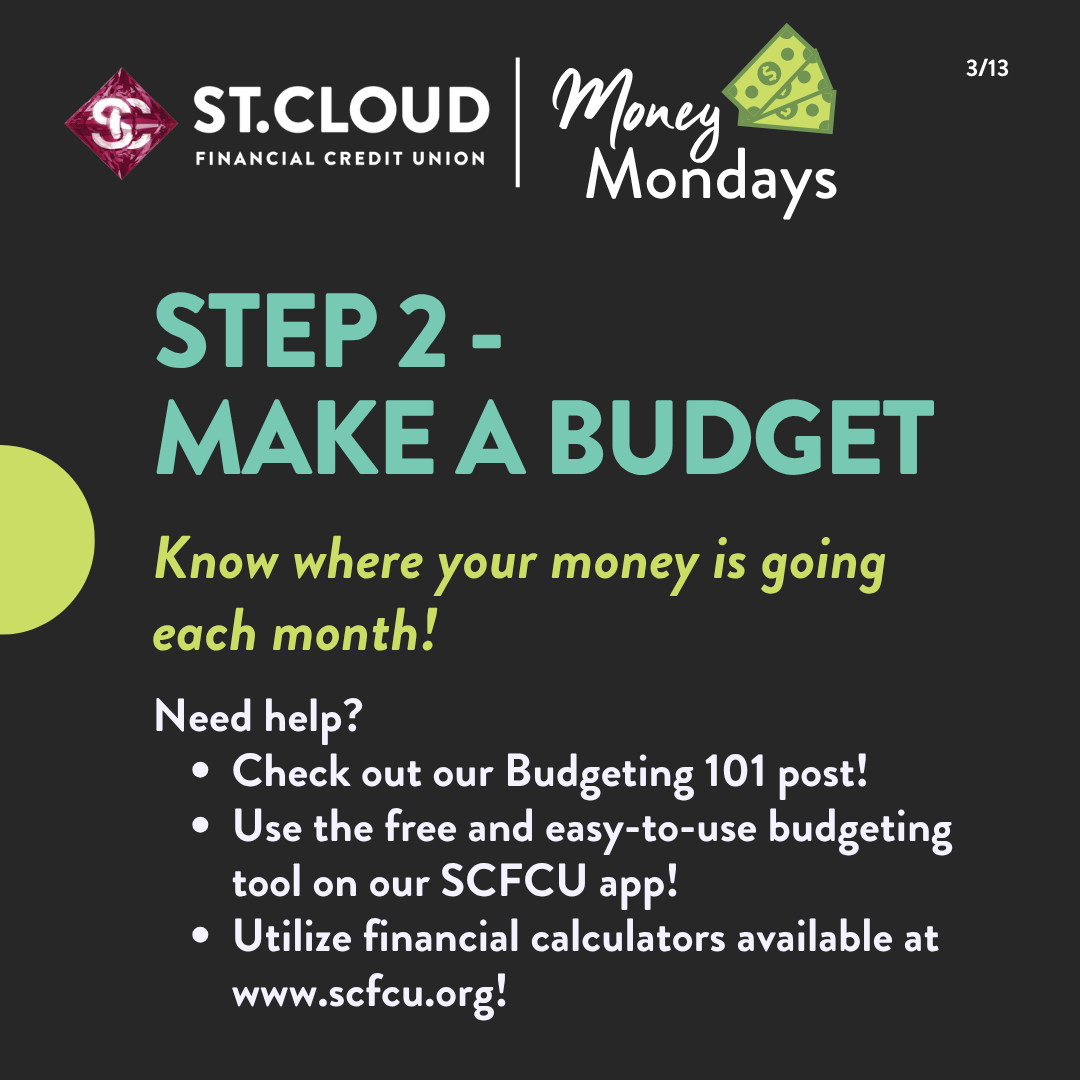
Making a budget is one of the simplest — yet most effective — ways to understand where your money is going and where you might have room to save.
Start by looking at the money you have coming in and the expenses you know you’ll have each month. Think rent, groceries, transportation, tuition and other regular costs. From there, you can get a better idea of what you have left to spend, where you may be able to cut back, and how much you can comfortably put toward savings.
Your budget doesn’t have to be perfect or complicated. It just needs to work for you. Having a plan can make it easier to stay on track and feel more confident about the decisions you’re making with your money.
The best part? You don’t have to do it yourself! SCFCU members have access to a free budgeting tool right in the SCFCU app — available on the Apple App Store and on Google Play — along with financial calculators and other resources to help make managing your money a little easier.
Step 3: Give Your Spending and Savings Their Own Space
One account can hold all your money, but separating your spending from your savings can make managing both much simpler.
Your checking account can handle everyday spending and bills, while your savings give you somewhere to put money aside for upcoming expenses, emergencies or whatever you’re working toward. And if you have extra funds you don’t plan to touch and want to grow, we have Certificates of Deposit (CDs) just for you!
Small habits now can add up later, so even putting away a little at a time can make a difference. You don’t have to save a lot at once — the important part is making a habit of saving what you can.
Step 4: Put it on Autopilot
Life on campus gets busy. Between classes, work, studying, activities and everything else — another due date is the last thing you need to remember.
Setting up automatic payments for recurring expenses such as rent, tuition, loans or subscriptions can give you extra peace of mind and help you to avoid late fees.
You’ll still want to monitor your account and watch for when those payments leave, but automating what you can is one less thing on your to-do list.
Start Strong During School
Learning how to manage your money is part of the college experience too. No one expects you to have everything figured out on day one.
Start with the basics: apply to scholarships, create a budget, automate bills and separate your spending from your savings. They may seem like small steps now, but these are the skills that you build during college that will help you to continue to save more, stress less and have confidence in your finances long after graduation.
Better yet, SCFCU will be there with you along every step of the way. We want to see you succeed — through college, after graduation and wherever life takes you next!
Resources to Help You Get Started
You don’t have to figure it all out on your own. SCFCU has resources to help make managing your money a little easier:
SCFCU Budgeting Tool — Available right in the SCFCU app to help you track spending and build a budget that works for you.
Financial Calculators — Explore calculators for budgeting, savings, loans and other financial decisions.
Banzai — Free, interactive financial education covering topics like budgeting, credit, saving, borrowing and more.
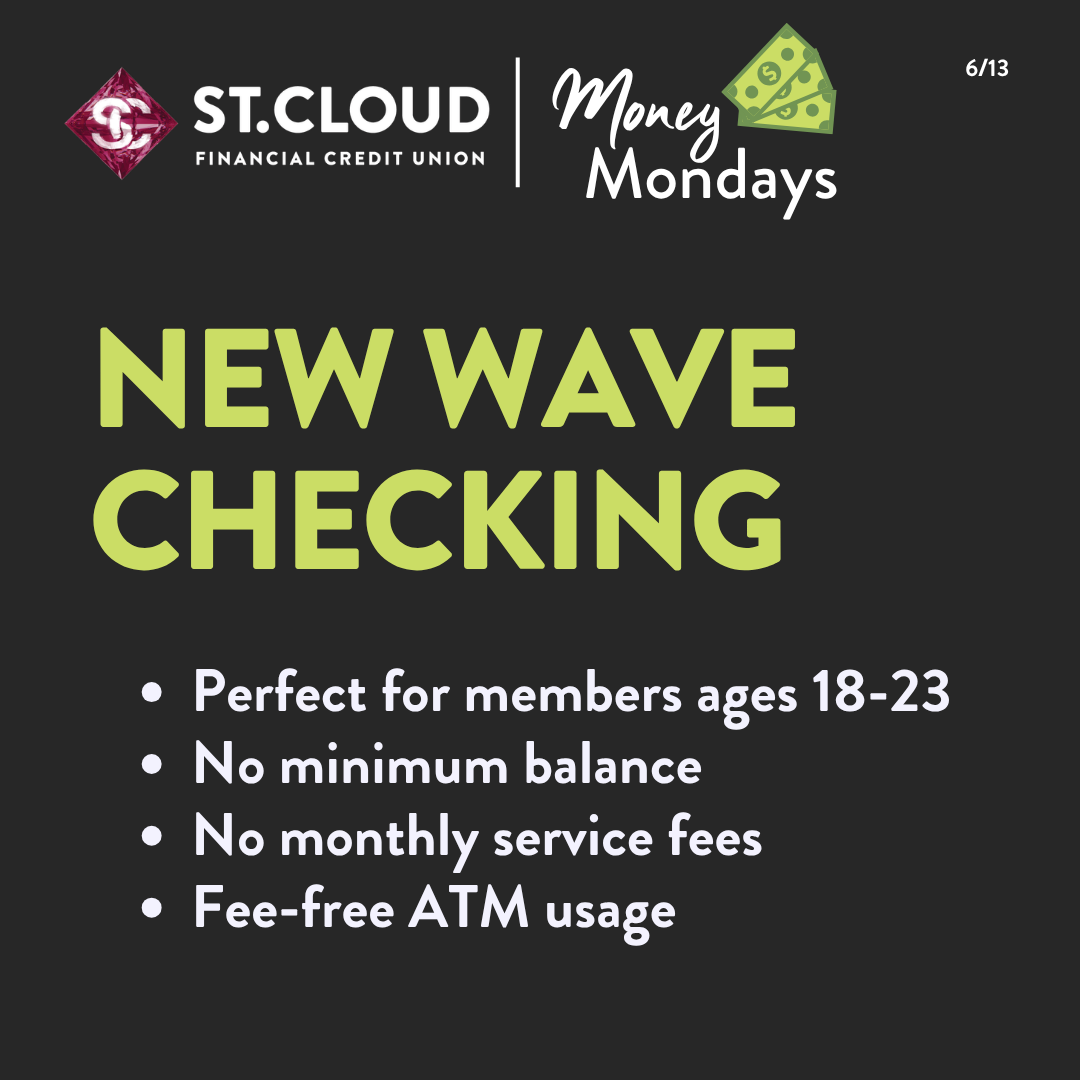
New Wave Checking — A checking account designed for members ages 18–23, with no minimum balance, no monthly service fees and fee-free ATM usage.
Savings Accounts — Give the money you’re putting aside its own place to grow.